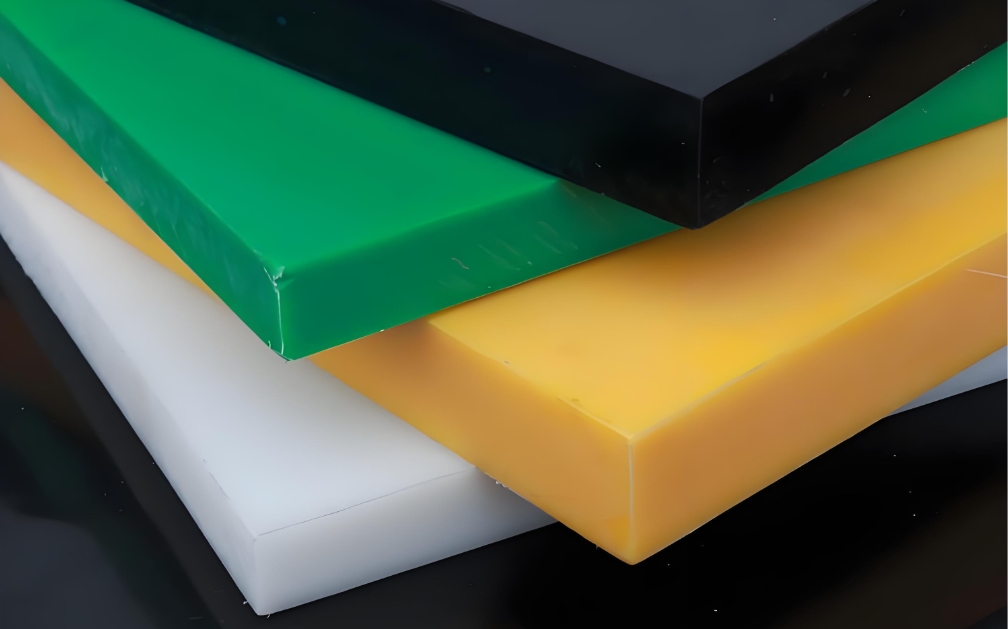
How to Calculate Load Capacity of Polyethylene Outrigger Pads
When operating cranes, boom trucks or heavy lifting equipment, ground stability is one of the most critical safety factors. Equipment failure caused by ground collapse can result in severe damage, project delays and safety risks.
This is why Polyethylene Outrigger Pads are widely used in construction, energy and infrastructure projects worldwide.
But one common question from buyers is:
How do you calculate the load capacity of polyethylene outrigger pads?
In this guide, we’ll explain the engineering logic behind load capacity and how to choose the right pad thickness and size for your project.
1.What Determines the Load Capacity of an Outrigger Pad?
Load capacity is not determined by material alone. It depends on three core factors:
1) Total Equipment Load
This refers to the maximum force applied to each outrigger.
For example, if a crane weighs 40 tons, the load may not be evenly distributed. One outrigger may carry a significantly higher force during lifting operations.
Always check:
Manufacturer load charts
Maximum outrigger reaction force
Dynamic load conditions
2) Pad Surface Area
The main purpose of an outrigger pad is to spread load over a larger surface area, reducing ground pressure.
Ground pressure formula:
Ground Pressure = Load ÷ Contact Area
If the area increases, pressure decreases.
For example:
100,000 kg load
1 m² pad
= 100,000 kg/m² ground pressure
Increase the pad to 2 m²:
= 50,000 kg/m²
This is why pad dimensions are as important as thickness.
3) Material Strength of Polyethylene
High-quality pads are manufactured from UHMWPE or HDPE.
UHMWPE offers:
Extremely high impact strength
Excellent wear resistance
Low friction coefficient
Strong compressive strength
Compared to steel plates, polyethylene pads:
Do not rust
Do not damage asphalt
Are significantly lighter
Are safer to handle
2.Understanding Compressive Strength
Compressive strength is the key mechanical indicator.
Typical UHMWPE compressive strength ranges between:
20–30 MPa (depending on grade and density)
However, real-world working load should always include a safety factor.
Professional recommendation:
Working Load ≤ 50–60% of material maximum compressive strength
This ensures long-term durability and prevents deformation.
3.Thickness vs Load Capacity
Many buyers assume thicker is always better.
This is not entirely correct.
Thickness mainly affects:
Bending resistance
Structural rigidity
Long-term deformation resistance
If the ground is soft (mud, sand, soil), larger surface area is often more important than extreme thickness.
General reference:
30–40 mm: Light equipment
50–60 mm: Medium cranes
80–100 mm+: Heavy lifting operations
Final selection should always combine:
Ground condition
Load force
Safety margin
4.Example Calculation
Let’s assume:
Maximum outrigger load = 120,000 kg
Allowable ground pressure = 40,000 kg/m²
Required area:
120,000 ÷ 40,000 = 3 m²
So you may choose:
1.5 m × 2 m pad
or
2 m × 1.5 m pad
Then determine thickness based on bending and support requirements.
5.Why Polyethylene Is Superior to Steel for Outrigger Support
Traditional steel plates are heavy and difficult to transport.
Polyethylene pads offer:
Up to 60% lighter weight
No corrosion
Non-conductive material
Easy cleaning
Longer service life
Because of these advantages, more contractors are shifting toward engineered polyethylene solutions.
6.Common Mistakes When Selecting Outrigger Pads
Ignoring dynamic loads
Choosing thickness without calculating ground pressure
No safety factor applied
Selecting low-grade recycled plastic
For heavy engineering projects, always use virgin UHMWPE material to ensure structural reliability.
7.Final Recommendation
To correctly calculate polyethylene outrigger pad load capacity, always evaluate:
Maximum outrigger force
Ground bearing capacity
Required surface area
Material compressive strength
Proper safety factor
If you are unsure about selection, technical support from an experienced polyethylene manufacturer can help you optimize both safety and cost.
Polyethylene engineering solutions are not just about plastic sheets — they are about structural safety.
Vacuum forming and thermoforming plastic products